Revolutionizing Spaces: Embracing Modern Interior Design
Step into a world where innovation meets aesthetics as we delve into the realm of modern interior design. In this blog post, we invite you to explore the core elements that define contemporary spaces, from minimalism to the artful fusion of materials. Discover how technology seamlessly integrates into our living environments, offering smart solutions that enhance both functionality and style. We will also touch upon the importance of sustainable practices in modern interior design, highlighting the growing trend towards eco-conscious choices. Whether you are a design enthusiast, a homeowner looking to revamp your space, or simply intrigued by the evolving landscape of interior aesthetics, this article promises to inspire and enlighten you on the transformative power of modern design principles
Understanding the Core Elements of Modern Interior Design
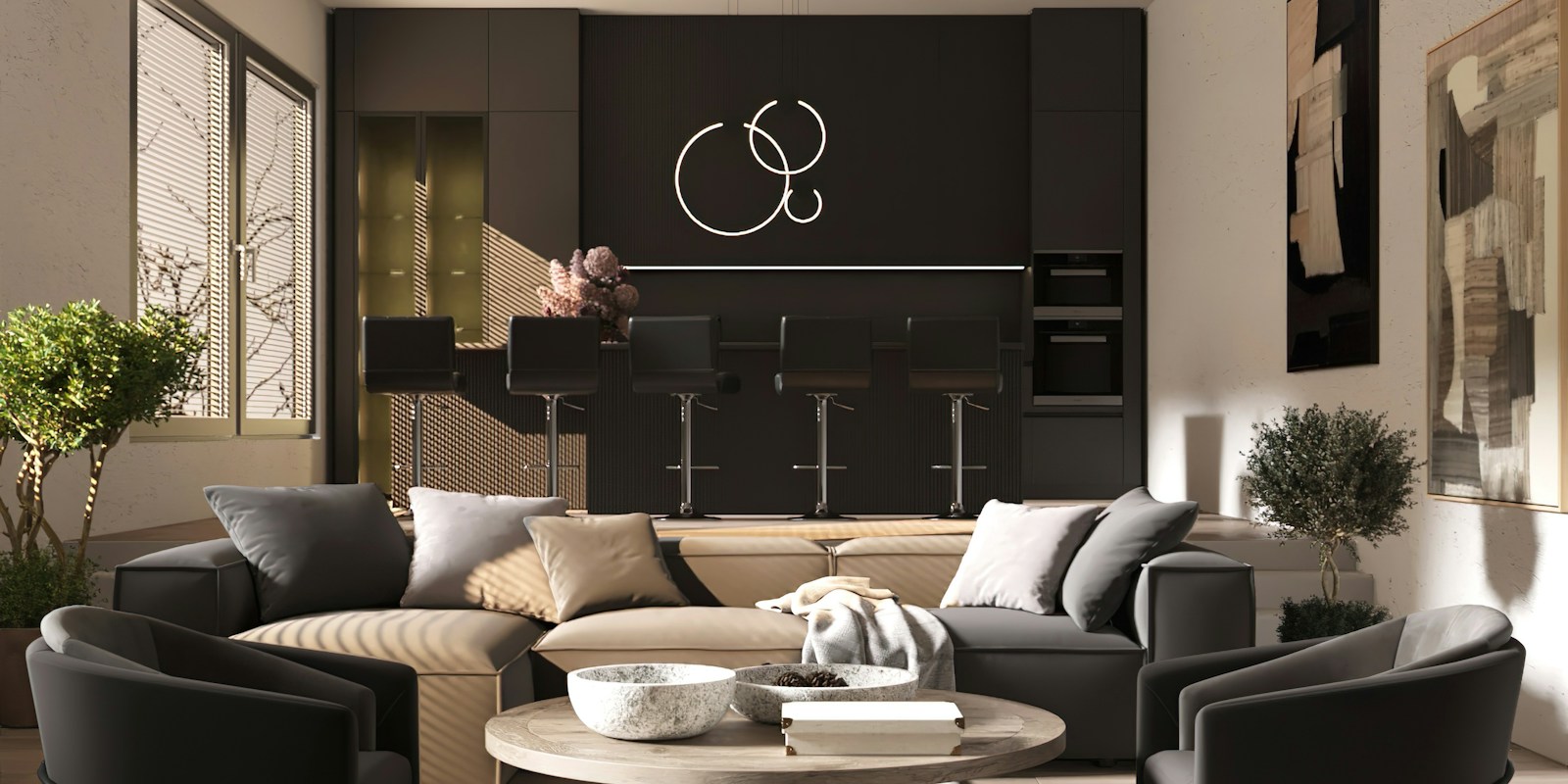
Modern interior design encompasses a range of principles and elements that come together to create sleek, functional, and aesthetically pleasing spaces. By understanding these core elements, you can effectively embrace modern interior design and revolutionize your living or working spaces. One key element of modern interior design is minimalism. This principle focuses on simplicity and functionality, with an emphasis on clean lines, a neutral color palette, and uncluttered spaces. Minimalist design allows for a sense of openness and airiness, creating a calming environment that promotes relaxation and focus. Another essential element is the use of technology and innovation. Modern interior design often incorporates smart home technology, energy-efficient appliances, and cutting-edge materials to enhance the functionality and sustainability of a space. Integrating technology seamlessly into the design not only improves the quality of life but also adds a futuristic and contemporary touch. In terms of aesthetics, modern interior design favors a mix of textures and materials to add depth and visual interest to a space. Combining elements like glass, metal, wood, and natural fibers creates a harmonious blend that adds warmth and character to the modern setting. Additionally, pops of color or statement pieces can be strategically used to inject personality and style into the design. Functionality is another core element of modern interior design. Every piece of furniture and decor serves a purpose, contributing to the overall efficiency and practicality of the space. Storage solutions are often integrated seamlessly into the design to reduce clutter and optimize the use of space effectively. Furthermore, an emphasis on sustainability and eco-friendliness is becoming increasingly important in modern interior design. Using environmentally friendly materials, incorporating natural light, and promoting indoor air quality are integral parts of creating a healthy and sustainable living environment. By understanding and incorporating these core elements of modern interior design into your spaces, you can transform them into modern sanctuaries that are not only visually appealing but also functional, sustainable, and reflective of contemporary lifestyle trends
Incorporating Minimalism: Key to Contemporary Spaces
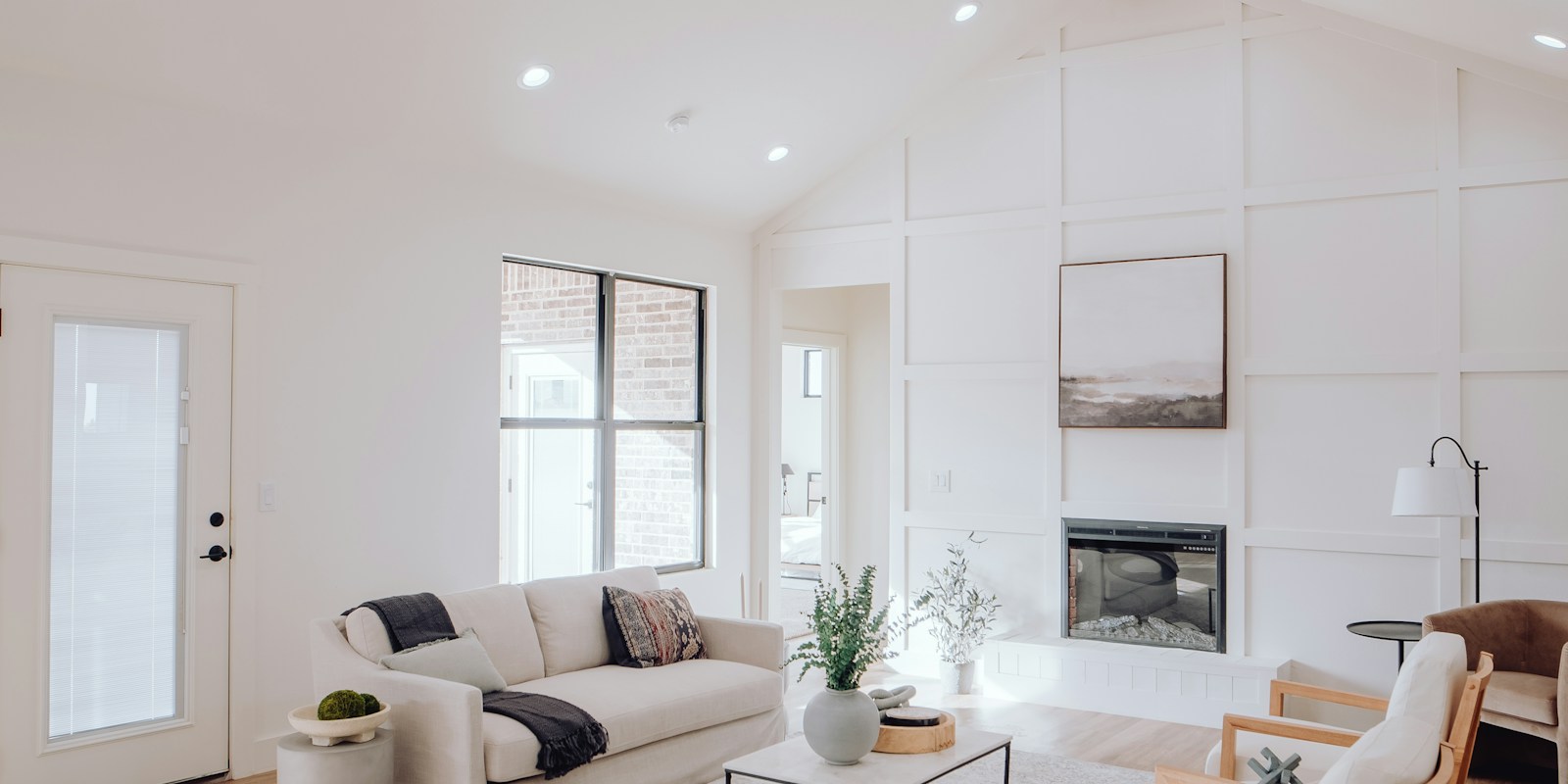
In today's fast-paced world, modern interior design has become synonymous with clean lines, sleek furnishings, and a minimalistic approach. Embracing minimalism is not just a design trend but a way of life that can completely transform a space, making it more functional, visually appealing, and conducive to a peaceful environment. By focusing on simplicity, functionality, and the use of space, minimalist design principles play a pivotal role in creating contemporary spaces that exude a sense of sophistication and calmness. One of the key aspects of incorporating minimalism into modern interior design is the concept of decluttering. Minimalist spaces are characterized by their lack of unnecessary items and emphasis on essential elements. By removing excess clutter and embracing a more streamlined approach to design, rooms can feel more spacious and organized, promoting a sense of tranquility and order. This focus on simplicity not only enhances the aesthetics of a space but also allows for better functionality and efficiency in everyday living. Another essential element of minimalist design is the strategic use of color, texture, and light. Neutral color palettes such as whites, grays, and earth tones are often favored in modern interior design as they create a sense of serenity and timelessness. Texture is also crucial in adding visual interest to a space without overwhelming it. By incorporating different materials like wood, metal, and natural fibers, a minimalist interior can achieve depth and warmth while maintaining a clean and cohesive look. Additionally, the strategic use of natural light can further enhance the sense of openness and airiness in a minimalist space, creating a welcoming atmosphere that promotes relaxation and well-being. Furthermore, furniture selection plays a significant role in achieving a minimalist aesthetic in modern interior design. When choosing furniture pieces, opt for simple, clean-lined designs that complement the overall style of the space. Multifunctional furniture pieces are also ideal for maximizing space and reducing clutter in smaller areas. By selecting high-quality pieces that prioritize both form and function, you can create a harmonious balance between aesthetics and practicality in your interior design. In conclusion, incorporating minimalism is indeed the key to creating contemporary spaces that embrace modern interior design principles. By focusing on simplicity, decluttering, strategic design elements, and thoughtful furniture choices, you can revolutionize your living spaces and transform them into havens of modern elegance and sophistication. Embracing minimalism not only enhances the aesthetic appeal of a room but also promotes a sense of well-being and clarity, making it an essential aspect of modern interior design
Technology Integration: Smart Solutions for Modern Living
In the realm of modern interior design, technology integration has revolutionized the way we inhabit and interact with our living spaces. Gone are the days of static rooms with fixed furniture arrangements; today, technology offers smart solutions that enhance both the functionality and aesthetics of our homes. One of the key aspects of modern interior design is the seamless incorporation of smart home technology. From voice-controlled assistants like Amazon Alexa and Google Home to automated systems that regulate lighting, temperature, and security, technology has made it possible to transform our living spaces into intelligent environments that adapt to our needs and preferences. Smart lighting systems not only allow for energy efficiency and mood-setting capabilities but also play a crucial role in highlighting architectural features and design elements within a space. Adaptive thermostats learn our heating and cooling patterns to ensure optimal comfort while reducing energy consumption. In modern interior design, technology extends beyond gadgets to include innovative materials and finishes. Self-cleaning surfaces, temperature-regulating textiles, and sound-absorbing materials contribute to creating spaces that are not only visually appealing but also highly functional and sustainable. Moreover, the rise of augmented reality (AR) and virtual reality (VR) technologies has transformed the way we conceptualize and visualize design ideas. These tools enable designers and homeowners to virtually walk through spaces, experiment with different layouts and color schemes, and make informed decisions before any physical changes are implemented. In conclusion, the integration of technology in modern interior design has opened up a world of possibilities, allowing us to create personalized, efficient, and aesthetically pleasing living spaces that cater to our evolving lifestyles. By embracing smart solutions, we can truly revolutionize the way we experience and interact with our homes
Sustainable Practices in Modern Interior Design
Modern interior design is not just about creating aesthetically pleasing spaces; it also involves embracing sustainable practices that prioritize the well-being of both people and the planet. In recent years, there has been a significant shift towards incorporating eco-friendly elements into interior design, with a focus on reducing environmental impact and promoting a healthier lifestyle. One of the key aspects of sustainable interior design is the use of environmentally friendly materials. Designers are increasingly turning to sustainable materials such as reclaimed wood, bamboo, cork, and recycled glass to reduce the carbon footprint of their projects. These materials not only help conserve natural resources but also add unique character and charm to spaces, creating a more inviting and cozy atmosphere. Another important sustainable practice in modern interior design is energy efficiency. Designers are incorporating energy-efficient lighting, heating, and cooling systems into their projects to reduce energy consumption and lower utility bills. Additionally, the use of natural light and passive solar design techniques help to minimize the need for artificial lighting and heating, creating spaces that are not only eco-friendly but also cost-effective to maintain. Beyond materials and energy efficiency, sustainable interior design also encompasses responsible sourcing and waste reduction. Designers are increasingly sourcing products locally to support small businesses and reduce transportation emissions. They are also implementing strategies to minimize construction waste and promote recycling and upcycling of materials whenever possible. In conclusion, sustainable practices in modern interior design are not just a trend but a necessary shift towards creating spaces that are healthier, more environmentally friendly, and socially responsible. By embracing eco-friendly materials, promoting energy efficiency, and reducing waste, designers can revolutionize spaces to not only look beautiful but also have a positive impact on the world around us
The Art of Mixing Materials: Creating Depth in Modern Spaces
In modern interior design, the strategic blending of different materials is a key technique that designers use to infuse depth, character, and visual interest into spaces. By artfully combining various materials, such as wood, metal, glass, and textiles, designers create a harmonious fusion that elevates the overall aesthetic of a room. One of the primary benefits of mixing materials in modern interior design is the ability to add layers of texture and dimension to a space. Smooth, sleek surfaces can be paired with rougher textures to create a dynamic interplay that engages the senses and creates a more visually compelling environment. For example, a polished concrete floor can be softened with the addition of a plush area rug, while a leather sofa can be juxtaposed with a metal-framed coffee table to achieve a balance of warmth and industrial edge. Moreover, mixing materials allows designers to play with contrasts and create focal points within a room. By incorporating elements that differ in color, finish, or texture, designers can draw attention to specific areas or features, guiding the eye through the space and creating a sense of visual hierarchy. This deliberate juxtaposition of materials can also help to highlight the unique personality of a room and showcase individual design elements in a more impactful way. Another advantage of embracing the art of mixing materials in modern interior design is the opportunity to customize and personalize a space. By choosing materials that reflect the homeowner's taste, lifestyle, and preferences, designers can create spaces that feel truly unique and tailored to the needs of the occupants. Whether it's through the use of reclaimed wood for a rustic touch or the incorporation of sleek stainless steel for a contemporary vibe, the strategic blending of materials allows for endless possibilities for creative expression. In conclusion, the art of mixing materials is a fundamental aspect of modern interior design that helps to transform spaces into dynamic, multi-layered environments. By expertly combining different materials, designers can enhance the aesthetic appeal, functionality, and individuality of a room, creating a truly immersive and inspiring experience for those who inhabit it
Conclusion
In conclusion, embracing modern interior design means incorporating innovation, aesthetics, and functionality into our living spaces. From the essence of minimalism to the creative blend of materials, modern design seamlessly integrates technology to offer smart solutions that elevate both form and function. Furthermore, sustainability plays a crucial role in contemporary interior design, driving a shift towards eco-conscious practices. By exploring these core elements, we witness the transformative power of modern design principles in revolutionizing spaces and creating a harmonious balance between style and sustainability. Whether you are a design enthusiast seeking inspiration or a homeowner looking to rejuvenate your living environment, modern interior design offers endless possibilities for creating spaces that are both visually stunning and consciously crafted